Steel Roof Over Shingles in Southwestern Ontario: When It Makes Sense
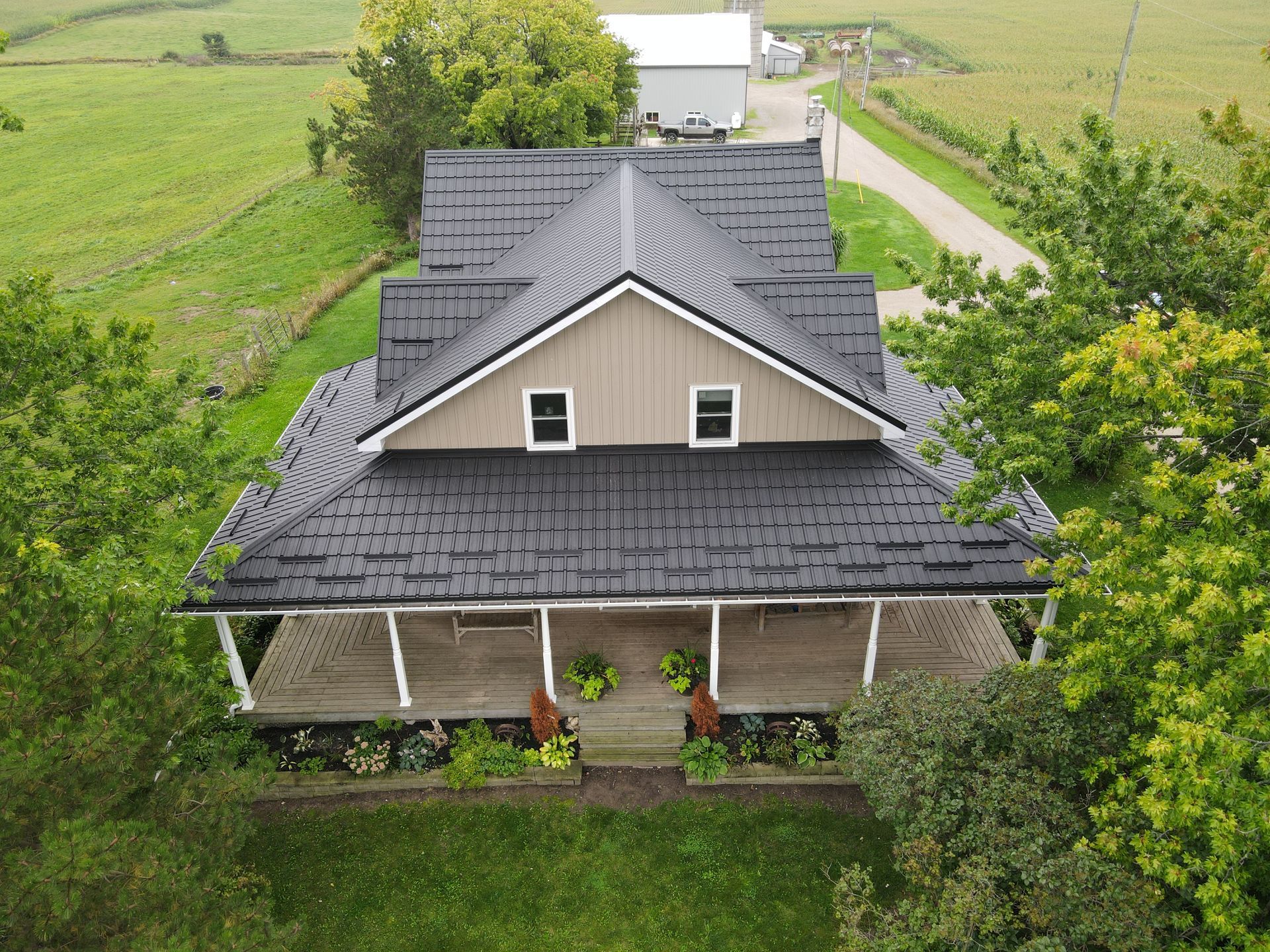
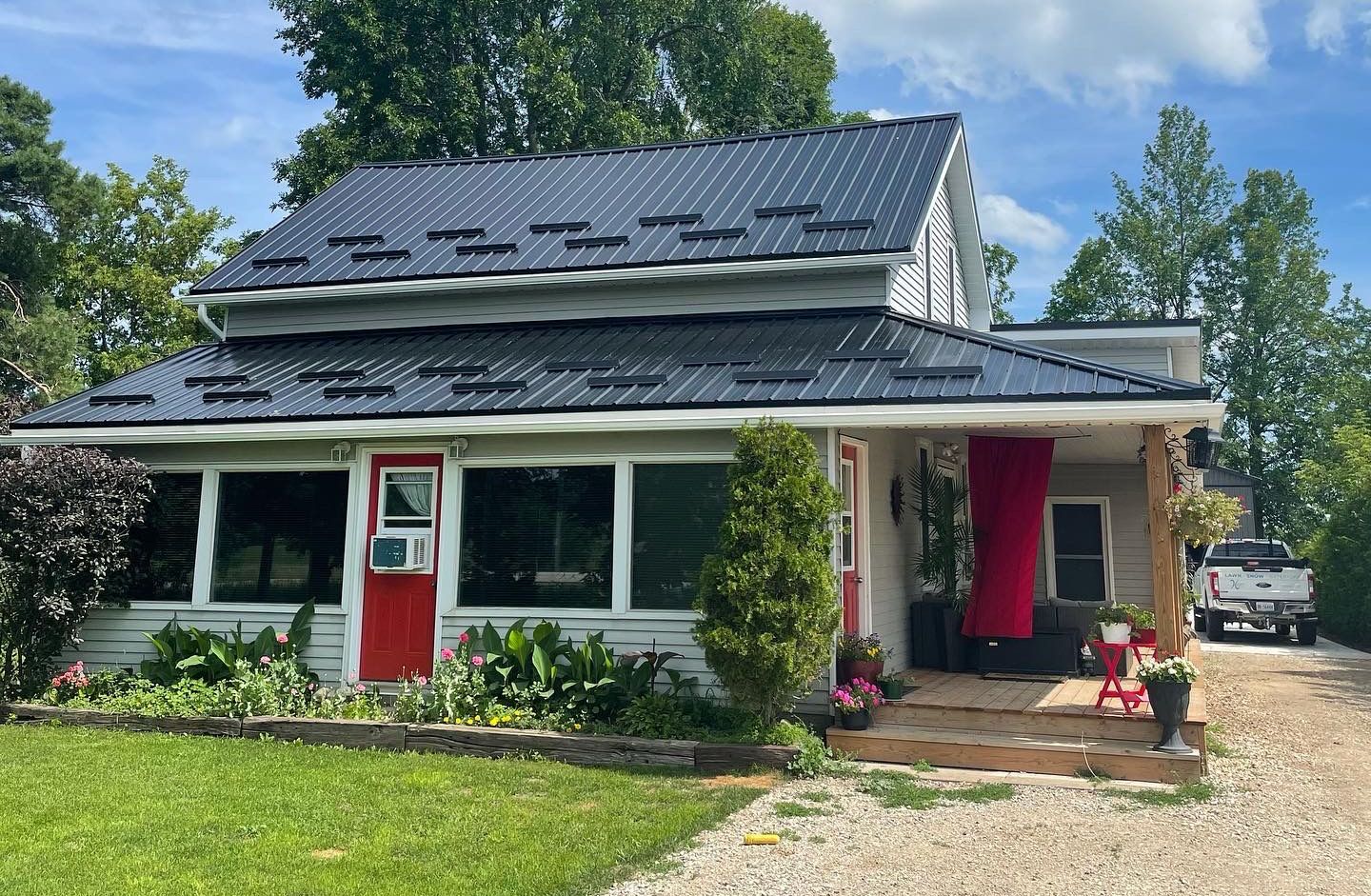
Installing steel roofing over existing asphalt shingles can be a smart, code compliant choice for many Southwestern Ontario homes. It reduces tear off waste, controls project time, and can improve winter performance with the right ventilation plan. You still need a sound deck, proper underlayments, and a strategy for snow and ice. If the deck is soft or there are moisture issues, choose a tear off first.
Ready for an assessment and written quote?
519-441-3298 or
Request a Free Estimate.
What roof over means
A roof over keeps your existing shingle layer in place. We install underlayments and steel panels on top, often with strapping that creates an air space. The goal is to protect your home, control moisture, and add a durable finish with minimal disruption.
Good candidate vs tear off, a quick guide
| Condition | Roof over is a good candidate | Tear off is recommended |
|---|---|---|
| Number of shingle layers | One layer, lying relatively flat | Two or more layers |
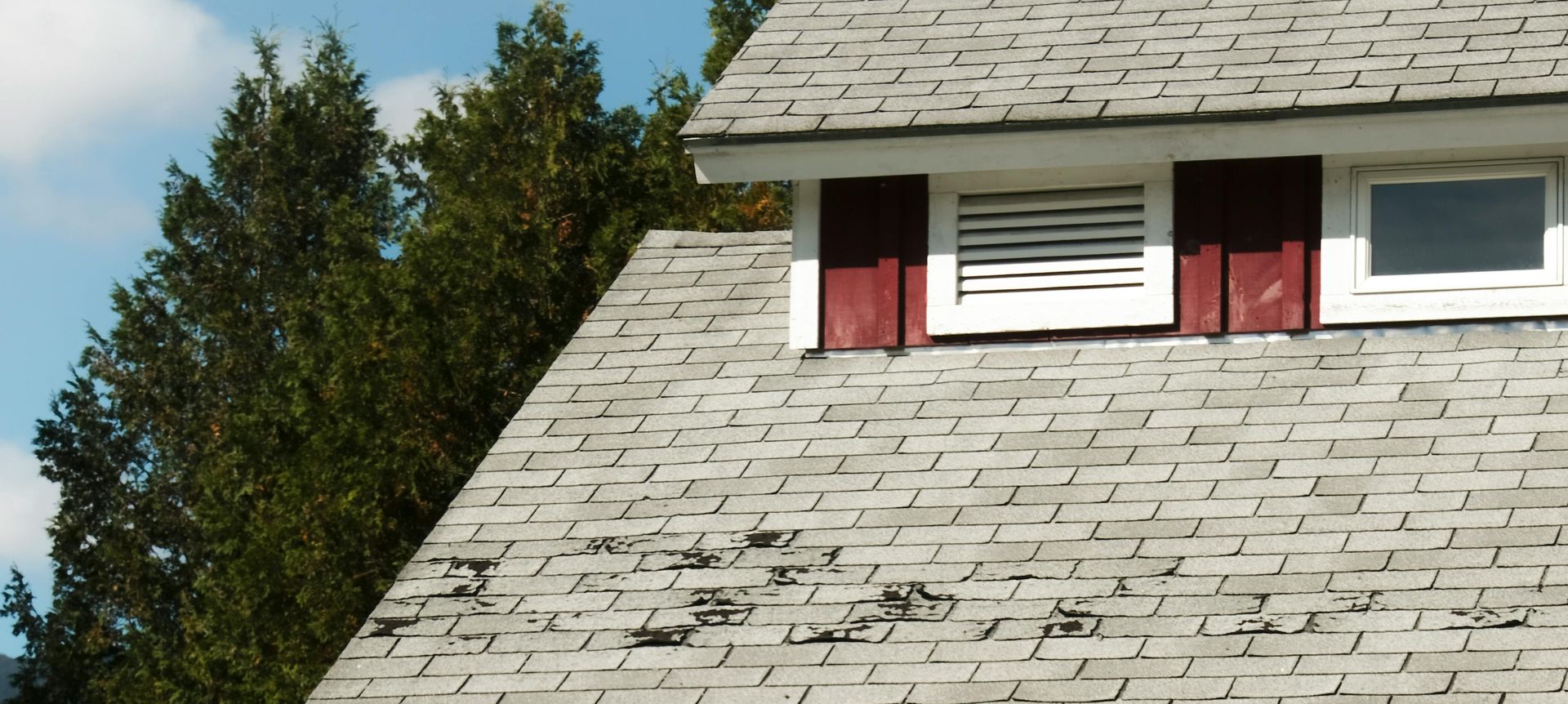
| Deck condition | Solid sheathing, no sag or soft spots | Rot, delamination, or visible waves |
| Attic moisture history | Dry attic, no past ice dam leaks | Stains, frost, or mould in attic |
| Roof slope | At or above minimum for your steel profile | Low slope areas that need continuous membranes |
| Penetrations and features | Simple roof, basic vents, few skylights | Many protrusions, skylights to replace |
| Ventilation | Soffit intake and ridge exhaust can be balanced | Poor intake or exhaust with no fix available |
Not sure which column you are in? A short site visit and attic check will confirm the best path.
Why homeowners choose a roof over
- Less debris and disruption. Shingles stay in place, so there is less time on site and less material heading to landfill.
- Potential energy benefits. A vented air space over the shingles can reduce heat build up in summer and help control moisture in winter.
- Winter friendly scheduling. With the right deck and temperatures, a roof over can proceed in colder months.
- Strong curb appeal.
Snap Lock standing seam, EASY Shake, or G‑RIB can refresh the look of a home right away.
When a tear off is the right call
- Soft or wavy sheathing. Steel needs a flat, sound substrate.
- Active leaks or attic staining. Find and fix the source before covering the old roof.
- Ice dam history. Correct insulation and ventilation, then build the new system over a dry deck.
- Multiple shingle layers. Extra weight and uneven surfaces are not a good base.
- Complex penetrations or skylight work. Tear off provides full access for proper flashing.
The assemblies we recommend
Option A, Direct to deck over shingles.
Synthetic underlayment across the field, high temperature ice and water protection at eaves and in valleys, then steel panels fastened to spec. Best for simple roofs where attic ventilation is already balanced.
Option B, Vented strapping over shingles.
Strapping creates an air space that reduces heat and helps dry any incidental moisture. Underlayment and ice and water protection go down first, then strapping, then panels. This is our go to choice for many Lake Huron homes because it supports winter performance.
Always included. Custom flashings, closures at panel ends, ridge venting where appropriate, and a snow guard plan over doors, walks, decks, and garage aprons.
FAQs
Do I need strapping, or can panels go directly over shingles?
Both approaches are used. Strapping creates a vented air space that helps with summer heat and winter moisture; it also evens out minor shingle irregularities. Direct to deck over shingles is possible on simple roofs with balanced ventilation. We recommend the best path during your site visit.
How do you handle attic ventilation in a roof over?
We confirm continuous soffit intake and a clear path for ridge exhaust. Baffles are added where needed so insulation does not block airflow. If intake or exhaust cannot be corrected, a roof over is not advised.
Will the old shingles deteriorate under the steel?
With proper underlayment and a vented or well ventilated assembly, the old shingles remain stable and dry. If we find moisture or deck damage, we correct it before moving ahead.
What about weight on the structure?
Steel roofing adds relatively little weight compared with another shingle layer. A single shingle layer plus steel is within the capacity of typical residential framing when the deck is sound. We verify conditions on site.
Can you work around skylights, chimneys, and solar mounts?
Yes. We install custom flashings for penetrations. If a skylight is due for replacement, a tear off is usually the better choice so we can flash the new unit to a clean deck.
Will a roof over change my home insurance?
Policies vary. Many insurers view steel favourably for wind and fire resistance, but coverage and discounts depend on the provider. We can supply product data and photos for your file.
Do snow guards still work on a roof over?
Yes. We map guard placement above entries, walks, decks, and garage doors. Guards are fastened to panels per manufacturer specifications.
Can this be installed in winter?
Often, yes, when the deck is dry and temperatures suit the materials. We schedule around safe weather windows.
Helpful resources and next steps
- Explore profiles on Steel Roofing Types and learn more on our Metal Roofing page.
- See winter performance details in Steel Roofing for Wind and Snow on the Lake Huron Coast.
- For a written quote, call
519-441-3298 or
Request a Free Estimate. We serve
Forest,
Goderich,
Kincardine,
Saugeen Shores,
Owen Sound,
Wiarton, and nearby communities.
Ready to Upgrade to a Steel Roof?
Enhance your home’s durability and curb appeal with a long-lasting metal roofing system from Hart Construction.
Give us a call at
519-441-3298 today to speak with our team or click below to request your free estimate.