Steel Roofing vs. Asphalt Shingles: What Lasts Longer in Ontario?
Why this guide?
Hart Construction installs steel roofing across the Lake Huron coast, from Forest to Wiarton, including Goderich, Kincardine, Saugeen Shores (Port Elgin & Southampton), and Owen Sound. With 15+ years’ experience in exterior work, we’re focused on durability, energy efficiency, and clean installs that stand up to wind, snow, and salt-laden air.
Quick Comparison: Steel vs Asphalt Shingles
| Attribute | Steel Roofing (G‑RIB, Snap‑Lock, EASY Shake) | Asphalt Shingles |
|---|---|---|
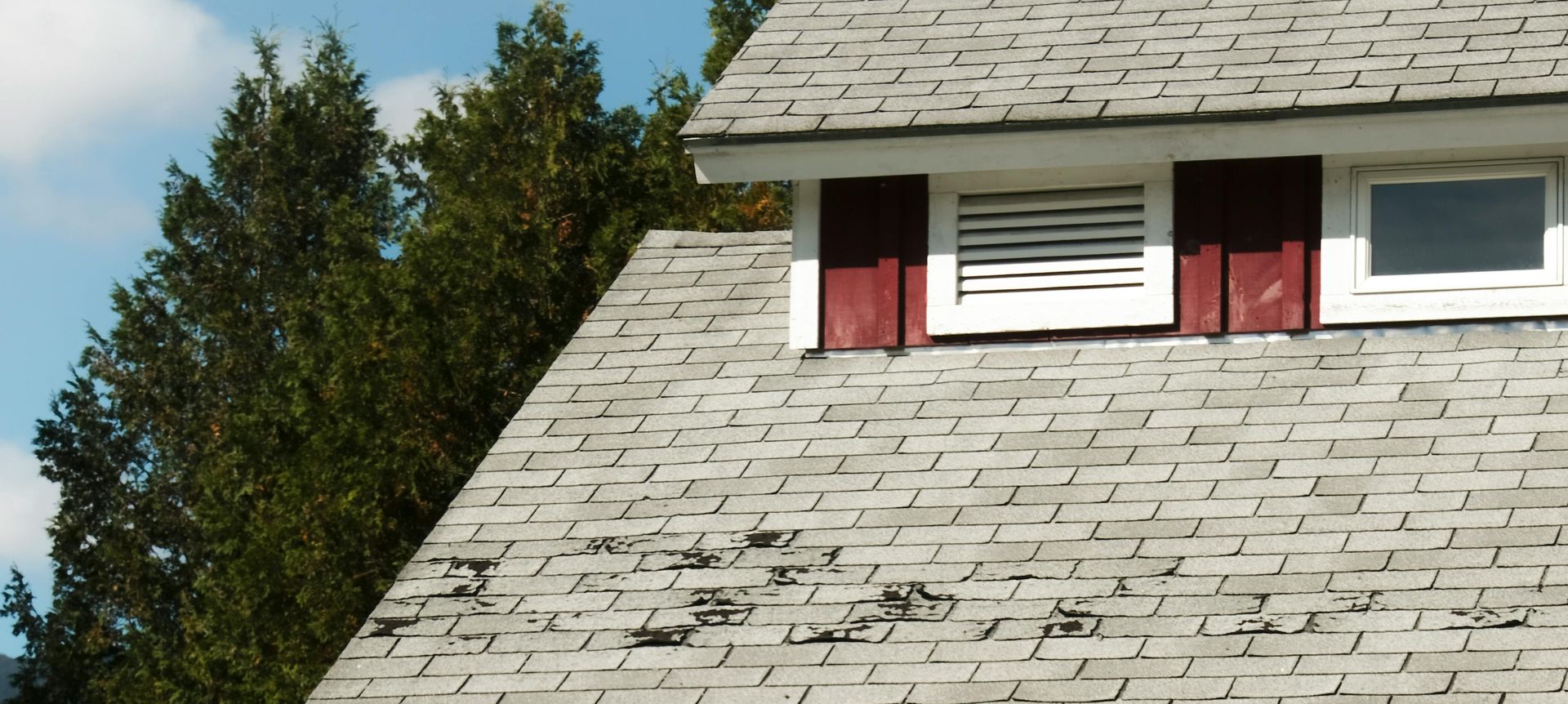
| Typical lifespan | 40–60+ years with proper maintenance | 15–25 years depending on product & exposure |
| Wind performance | Excellent; interlocking profiles and concealed fasteners on standing seam reduce uplift | Good to fair; can lose tabs/granules in strong gusts |
| Snow & ice | Sheds snow quickly; compatible with snow guards to control slides | Holds snow/ice; more freeze–thaw stress on valleys/flashings |
| Fire resistance | Non-combustible steel; often achieves Class A assemblies | Many asphalt systems are Class A when installed over rated decks |
| Energy efficiency | Reflective coatings can lower summer heat gain; ventilated assemblies help year‑round | Dark granules absorb heat; attic ventilation is critical |
| Maintenance | Low; periodic fastener/flashings check and debris clearing | Moderate; granule loss, sealant fatigue, more frequent repairs |
| Aesthetics | Modern standing seam, cottage‑friendly shakes, or classic ribs; wide colours | Traditional look; limited to shingle textures/colours |
| Upfront cost | Higher | Lower |
| Lifetime cost | Lower over 40–60+ years (fewer replacements) | Higher over 40–60+ years (multiple replacements) |
How Ontario’s Climate Changes the Math
Wind off Lake Huron. Steel systems with interlocking panels and continuous clips resist uplift during coastal gusts.
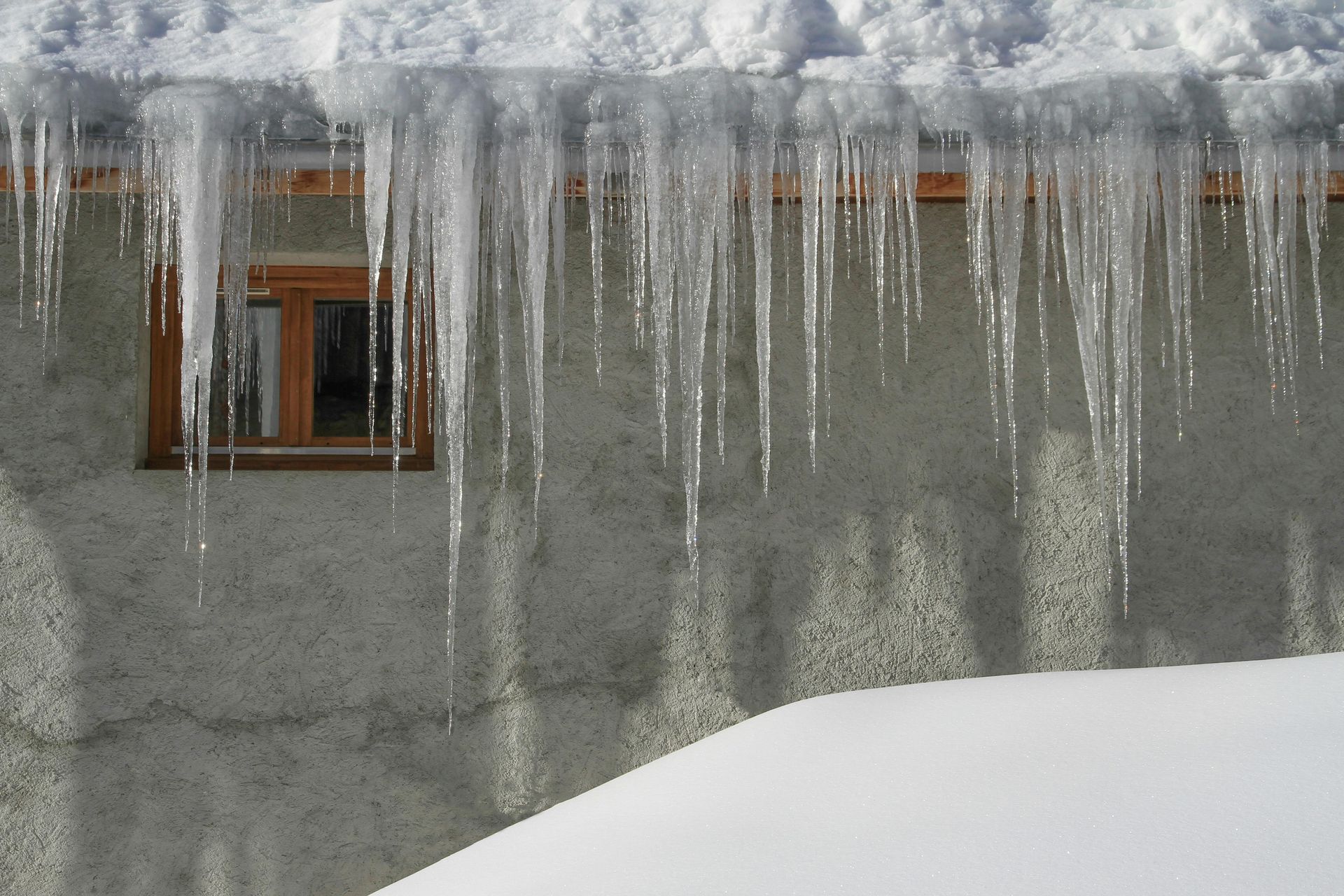
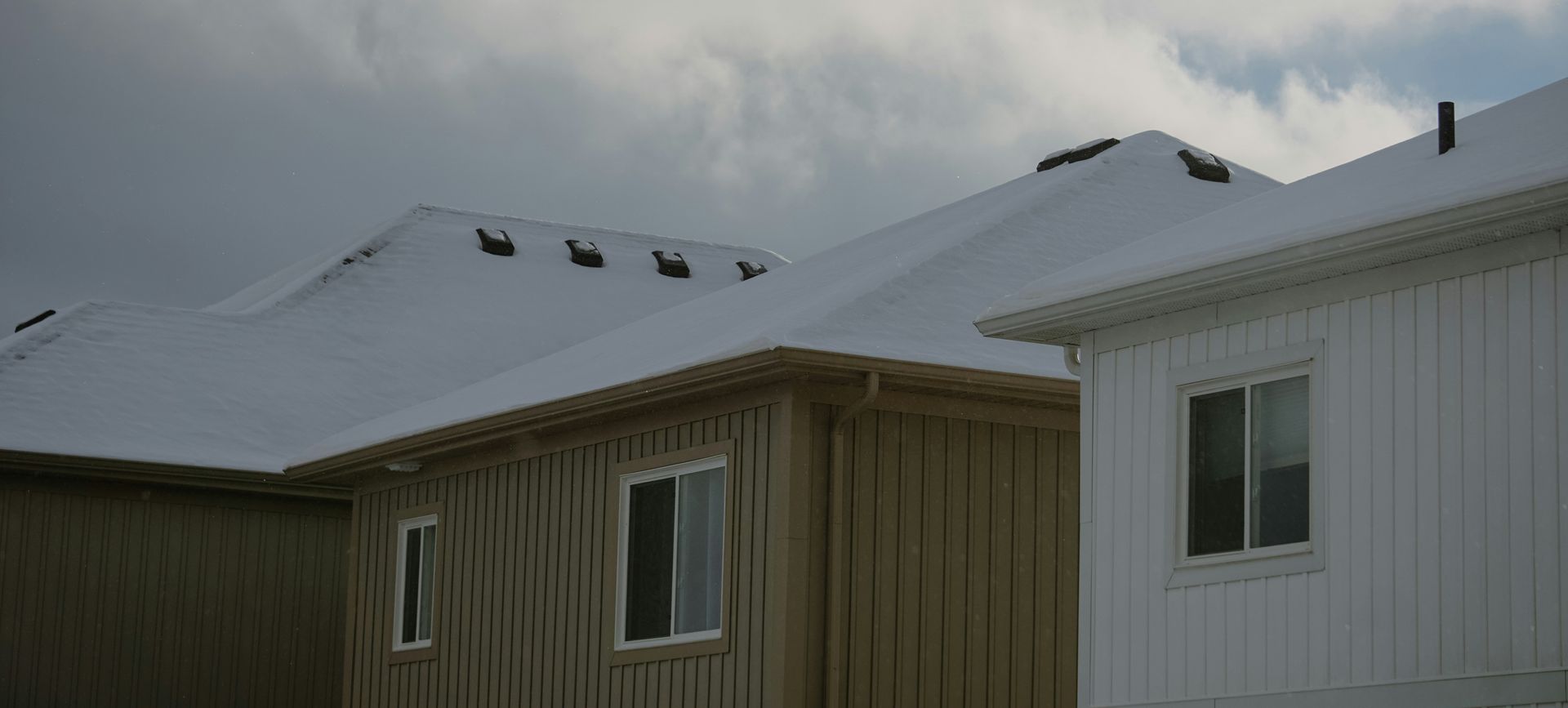
Snow and freeze–thaw. Smooth steel sheds snow quickly; add snow guards over entries and walks to manage slides. Fewer freeze–thaw cycles sitting on the roof means less stress on valleys and flashings.
Moisture & salt air. Modern steel roofing uses durable coatings and substrates designed for corrosion resistance; routine rinsing/maintenance extends life near the lake.
Total Cost of Ownership (TCO)
When comparing quotes, consider the life of the roof, not just the install price.
- Steel roofing typically lasts 2–3 shingle cycles. Over 40–60+ years, you avoid multiple tear‑offs and landfill disposal, and you keep curb appeal consistent.
- Asphalt shingles have a lower upfront price, but most homes will re‑roof at least once (often twice) in the same timeframe.
Pro tip: If you expect to sell in a few years, ask your agent about resale lift from steel; if you plan to stay 10+ years, steel’s TCO advantage usually widens.
Choosing the Right Steel Profile
Each steel option offers different strengths:
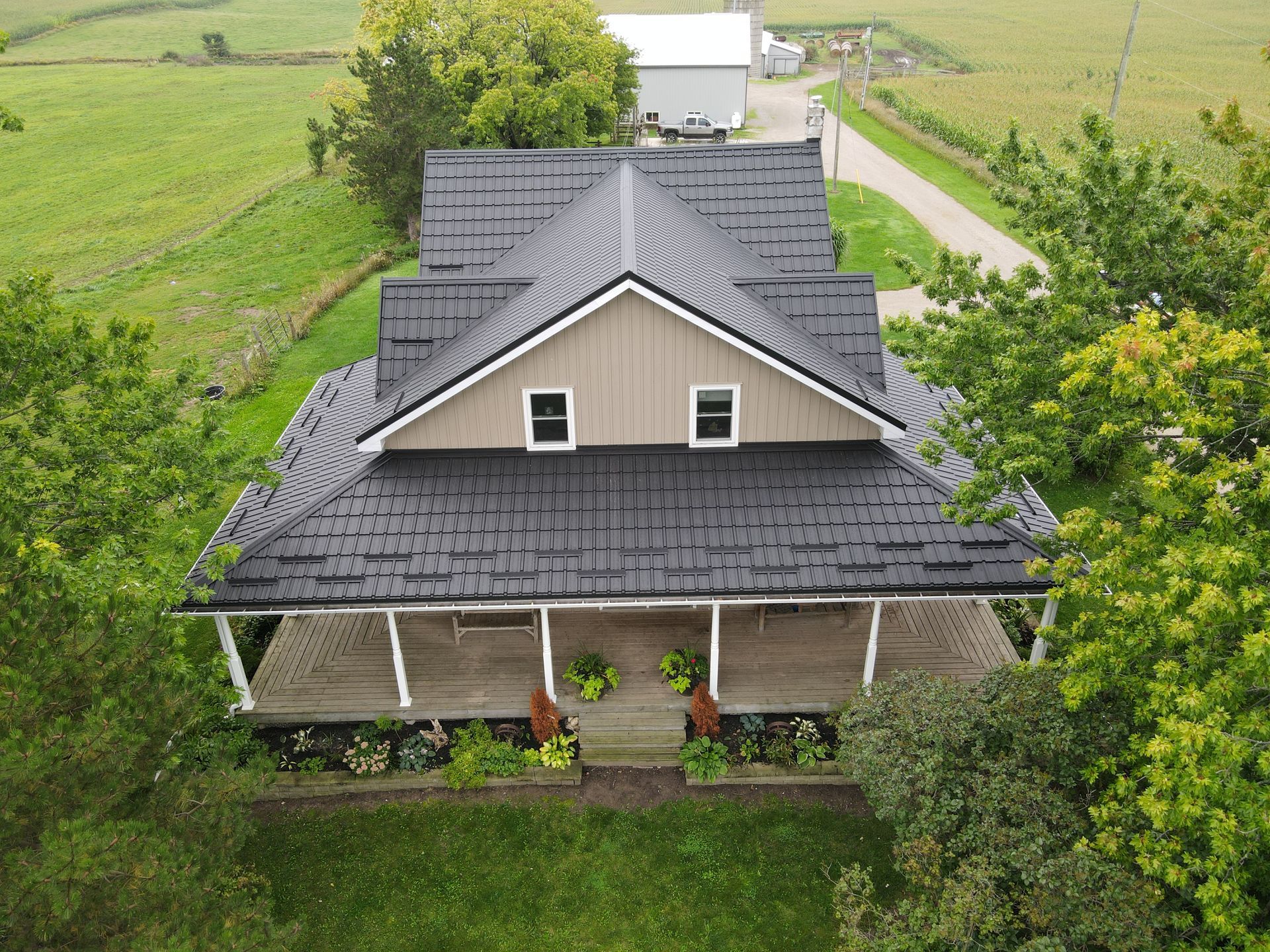
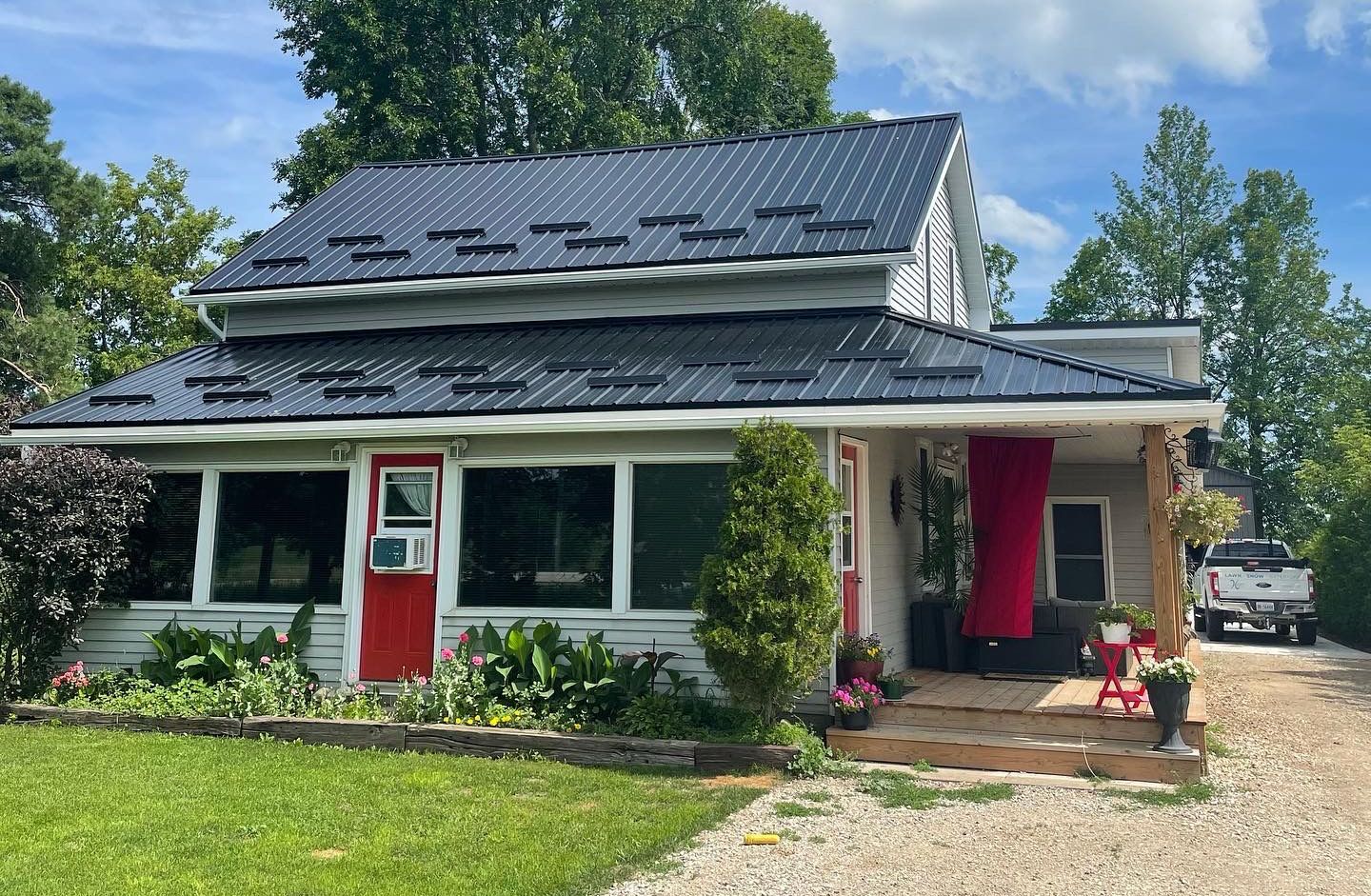
- G‑RIB Panels: Cost‑effective, classic ribbed look; great for cottages, farmhouses, and utility buildings.
- SNAP‑LOCK Standing Seam: Sleek, modern lines with concealed fasteners; excellent weather seal and curb appeal.
- EASY Shake: Textured, cottage‑ready profile that mimics wood shakes with steel’s longevity.
See side‑by‑side details on our
Steel Roofing Types page.
Installation: What to Expect
- Site visit & measurement. We confirm roof geometry, substrate condition, ventilation, and snow‑load considerations.
- Underlayment & flashings. High‑performance underlayments and custom flashings prevent water entry at the most vulnerable points.
- Panel installation. Standing seam uses clips/concealed fasteners; ribbed/shake panels fasten through the flats per manufacturer specs.
- Snow management. We plan snow guards where needed (over doors, walkways, driveways).
- Cleanup & final check. Magnet sweep, gutter check, and homeowner walkthrough.
We install year‑round as conditions allow. Winter installs follow cold‑weather best practices.
When Asphalt Shingles Still Make Sense
- Short time horizon. You plan to sell soon and want the lowest upfront cost.
- Temporary roof. You’re mid‑reno and intend to re‑configure the roofline later.
- HOA/heritage constraints. Some areas require specific aesthetics; we can often meet these with steel shake profiles.
FAQs
Are steel roofs noisy in the rain?
Not when installed over a solid deck with modern underlayments and attic insulation. Most homeowners report similar interior sound levels to shingles.
Will a steel roof rust?
Quality steel panels use corrosion‑resistant substrates and durable coatings. Routine rinsing and seasonal checks help maximize service life, especially near the lake.
Can steel go over my existing shingles?
Often, yes; after a deck inspection and with the right underlayment and strapping strategy. We’ll advise based on your roof’s condition.
What about hail?
Many steel systems are impact‑resistant; dents can occur, but panels continue to protect. Insurance coverage varies. Ask your provider.
Does steel affect Wi‑Fi or lightning risk?
No. Wi‑Fi operates inside the home, and a steel roof does not increase lightning strikes; proper grounding and code‑compliant electrical systems are key in any home.
If you plan to stay in your home for the long term, or you want the lowest lifetime cost, steel roofing wins on durability, wind/snow performance, and energy efficiency. Asphalt shingles can make sense for short timelines or tight upfront budgets. For help choosing the right profile (G‑RIB, Snap‑Lock Standing Seam, or EASY Shake), see our
Steel Roofing Types guide.
Ready to Upgrade to a Steel Roof?
Enhance your home’s durability and curb appeal with a long-lasting metal roofing system from Hart Construction.
Give us a call at
519-441-3298 today to speak with our team or click below to request your free estimate.