How Long Does a Steel Roof Last in Ontario?
When homeowners in Ontario start looking at steel roofing, one of the first questions is simple: how long will it last?
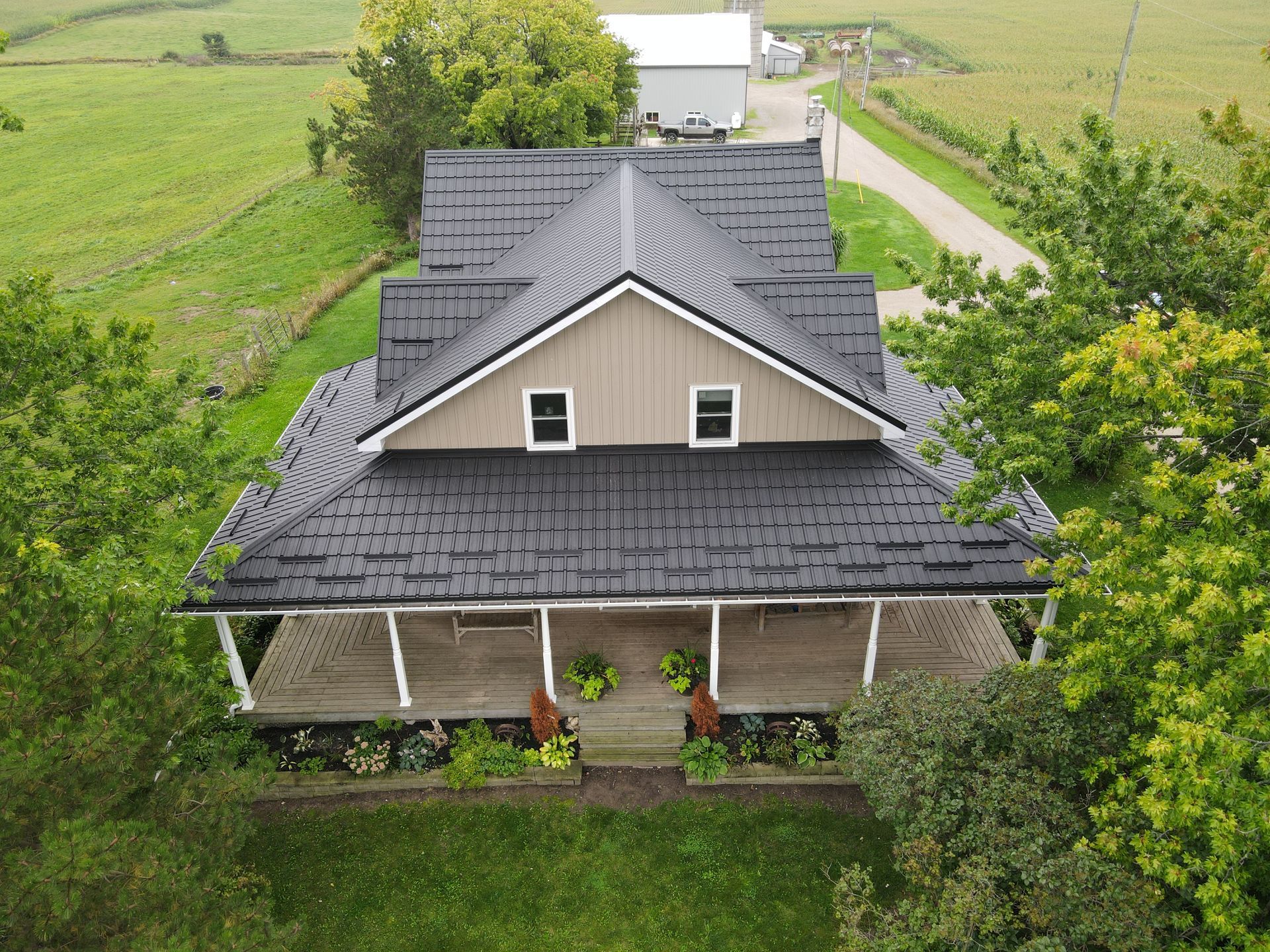
Steel roofs are known for their durability, but lifespan can vary depending on several key factors, including installation quality, materials, and how well the system is designed for our local climate.
In this guide, we break down realistic lifespan expectations for steel roofing in Ontario, along with the factors that truly make the biggest difference over time.
How Long Does a Steel Roof Typically Last?
In Ontario conditions, most professionally installed steel roofs last:
- 30 to 50 years for standard exposed fastener systems
- 50+ years for higher-end concealed fastener systems
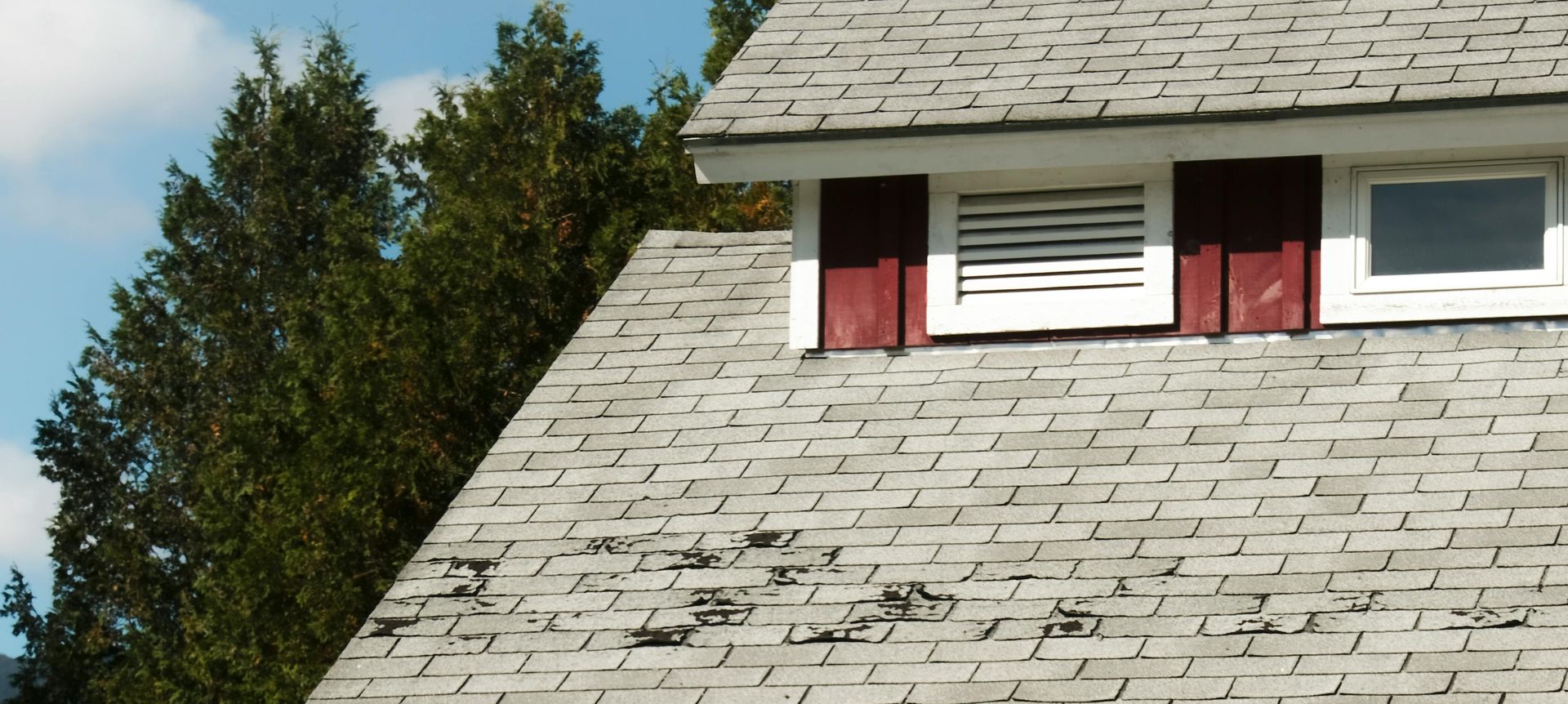
That’s significantly longer than traditional asphalt shingles, which often need replacement every 15 to 25 years, especially in areas exposed to heavy snow, wind, and temperature swings.
However, not all steel roofs perform the same, and the difference often comes down to what’s underneath and how it’s installed.
What Affects the Lifespan of a Steel Roof?
1. Installation Quality Matters More Than Anything
Even the best steel roofing materials can fail early if installed incorrectly.
Key installation details that impact longevity include:
- Proper fastening and spacing
- Correct underlayment and moisture barriers
- Flashing around chimneys, vents, and valleys
- Ventilation from soffit to ridge
Poor installation can lead to leaks, premature wear, and structural issues long before the steel itself wears out.
2. Ontario Weather Conditions
Ontario’s climate is one of the biggest tests for any roofing system.
Steel roofing performs well here because it can handle:
- Heavy snow loads, shedding snow more efficiently than shingles
- Freeze-thaw cycles, which often damage asphalt roofs
- High winds, when properly fastened
- Rain and moisture, with proper drainage design
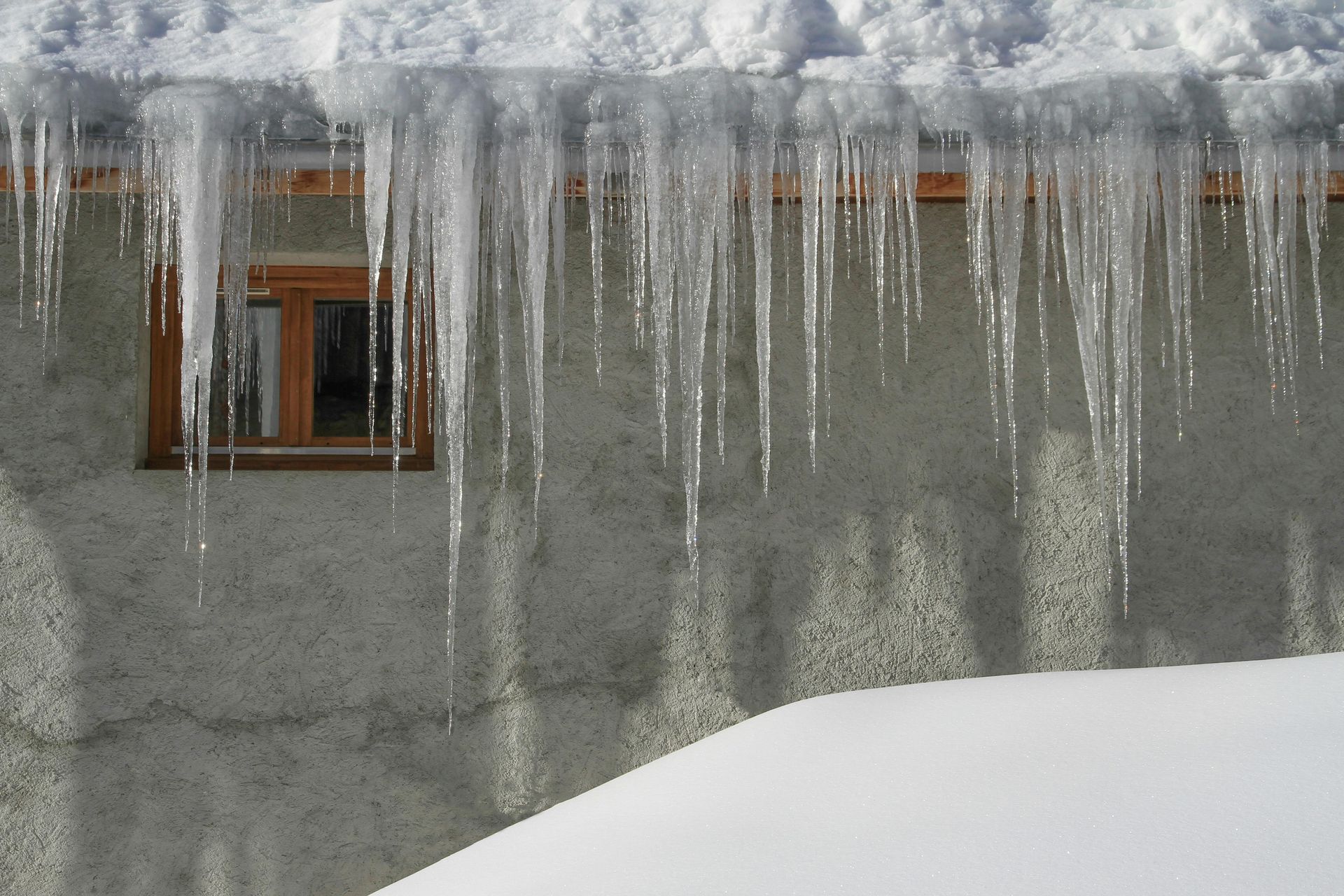
That said, poorly ventilated roofs can still develop issues like condensation or ice dams, which can shorten lifespan.
3. Type of Steel Roofing System
Not all steel roofs are built the same.
Two common types include:
Exposed Fastener (Screw-Down Panels):
- More affordable
- Slightly shorter lifespan due to washer wear over time
Concealed Fastener (Standing Seam):
- Higher upfront cost
- Longer lifespan, fewer exposed components
- Better long-term weather resistance
Choosing the right system depends on your home, budget, and long-term goals.
4. Coatings and Material Quality
Modern steel roofing panels are coated to prevent corrosion and fading.
Higher-quality coatings:
- Resist rust and oxidation
- Maintain colour longer
- Protect against UV damage
Lower-quality materials may still perform well initially but can degrade faster over time, especially in areas exposed to moisture or salt air near the lakes.
5. Ventilation and Insulation
A steel roof is only as good as the system supporting it.
Proper ventilation helps:
- Prevent moisture buildup
- Reduce condensation
- Minimize ice dam formation
- Extend the life of both the roof and the structure belowMaintain colour longer
- Protect against UV damage
This is especially important in Ontario, where temperature swings can be extreme.
6. Maintenance and Inspections
Steel roofs are low maintenance, but not maintenance-free.
Simple steps can extend lifespan significantly:
- Seasonal visual inspections
- Clearing debris from valleys and eaves
- Checking fasteners and flashing
- Addressing minor issues early
Most homeowners can handle basic checks, but periodic professional inspections are recommended.
Steel vs Asphalt: Long-Term Value
While steel roofing has a higher upfront cost, its lifespan often makes it the more cost-effective choice over time.
With asphalt, you may replace your roof two or three times over the lifespan of one steel system.
Steel roofing also offers:
- Better resistance to extreme weather
- Lower maintenance needs
- Improved energy performance
For many Ontario homeowners, that combination makes steel a long-term investment rather than a short-term fix.
Key Takeaways for Ontario Homeowners
- Most steel roofs last 40 to 70 years, depending on system and installation
- Installation quality is the biggest factor in lifespan
- Ontario weather actually highlights the strengths of steel roofing
- Ventilation and underlayment are just as important as the panels themselves
- Routine maintenance helps maximize long-term performance
FAQs
How often does a steel roof need to be replaced?
In most cases, a properly installed steel roof will not need replacement for several decades, often outlasting multiple asphalt roofs.
Will a steel roof rust over time?
Modern steel roofing is coated to resist rust. With quality materials and proper installation, corrosion is rarely an issue.
Do screws or fasteners wear out?
On exposed fastener systems, washers can degrade over time. These can be replaced during maintenance to extend the roof’s life.
Does snow or ice damage steel roofs?
Steel roofs are designed to shed snow efficiently. When paired with proper ventilation, they are less prone to ice damage than shingles.
Is steel roofing worth the investment in Ontario?
For homeowners planning to stay long-term, steel roofing often provides better value due to its durability, longevity, and lower maintenance needs.
Learn More About Steel Roofing
If you’re considering upgrading to a steel roof or want to understand your options, our team is here to help.
For a written quote, call
519-441-3298 or
Request a Free Estimate. We serve
Forest,
Goderich,
Kincardine,
Saugeen Shores,
Owen Sound,
Wiarton, and nearby communities.
Ready to Upgrade to a Steel Roof?
Enhance your home’s durability and curb appeal with a long-lasting metal roofing system from Hart Construction.
Give us a call at
519-441-3298 today to speak with our team or click below to request your free estimate.