
Steel Roofing for Wind & Snow on the Lake Huron Coast
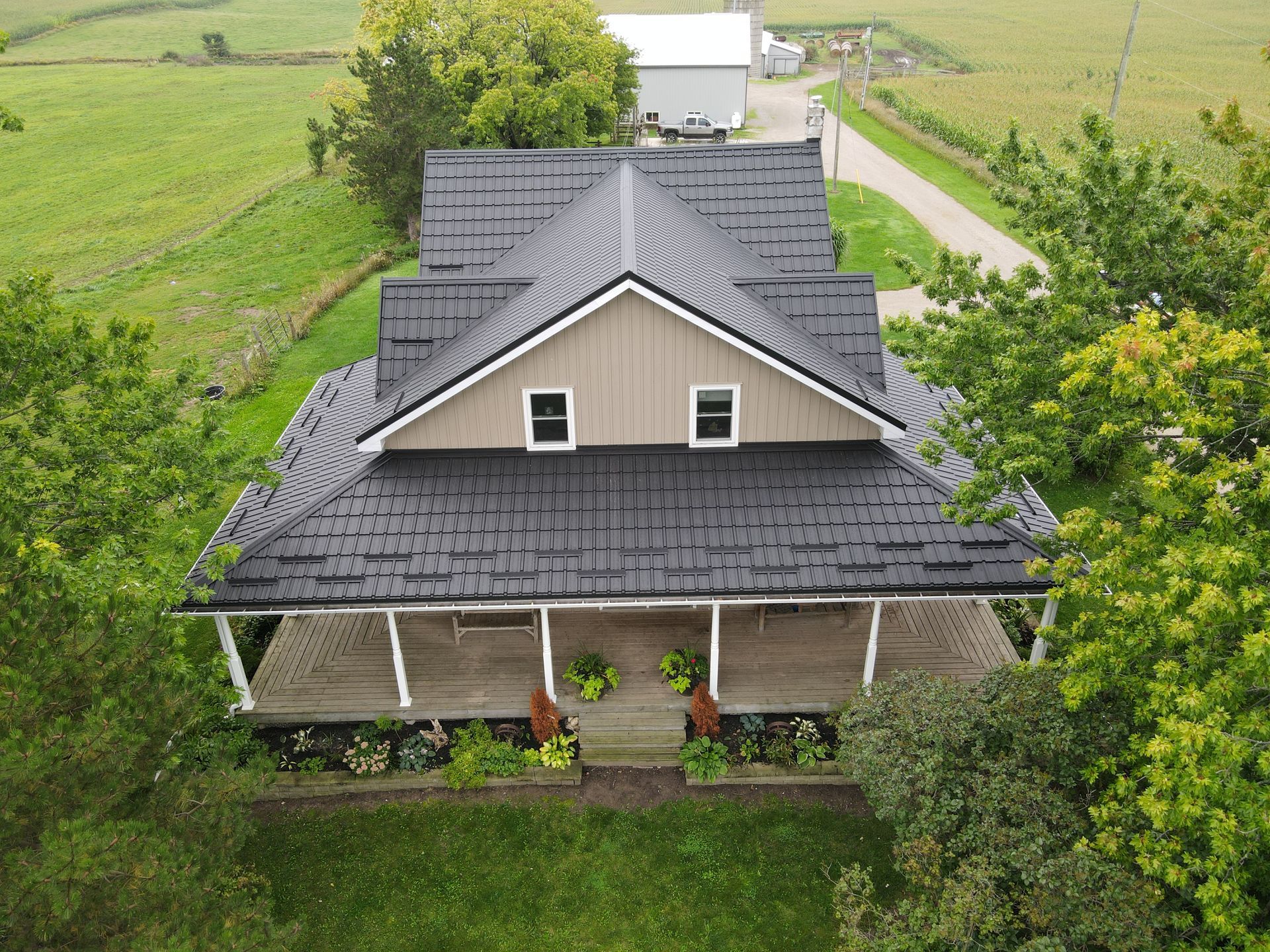
For homes along the Lake Huron coast, from Forest to Wiarton (including Goderich, Kincardine, Saugeen Shores, Owen Sound), steel roofing is the most reliable option for wind uplift, snow shedding, and long‑term durability. Our go‑to cold‑climate assembly: Snap‑Lock standing seam or steel shake, high‑performance underlayment with ice‑and‑water protection at eaves/valleys, engineered clip/fastener spacing, balanced soffit‑to‑ridge ventilation, and snow guards above doors, walkways, and driveways.
The Lake Huron Factor: Gusts, Squalls, and Freeze–Thaw
Coastal gusts.
Open exposures near the lake see stronger, more frequent wind events that can lift shingles. Interlocking steel panels and concealed fasteners dramatically reduce uplift risk.
Lake‑effect snow.
Rapid accumulations create heavy loads and melt–refreeze cycles. Smooth steel surfaces shed snow quickly; controlled with snow guards to prevent large slides.
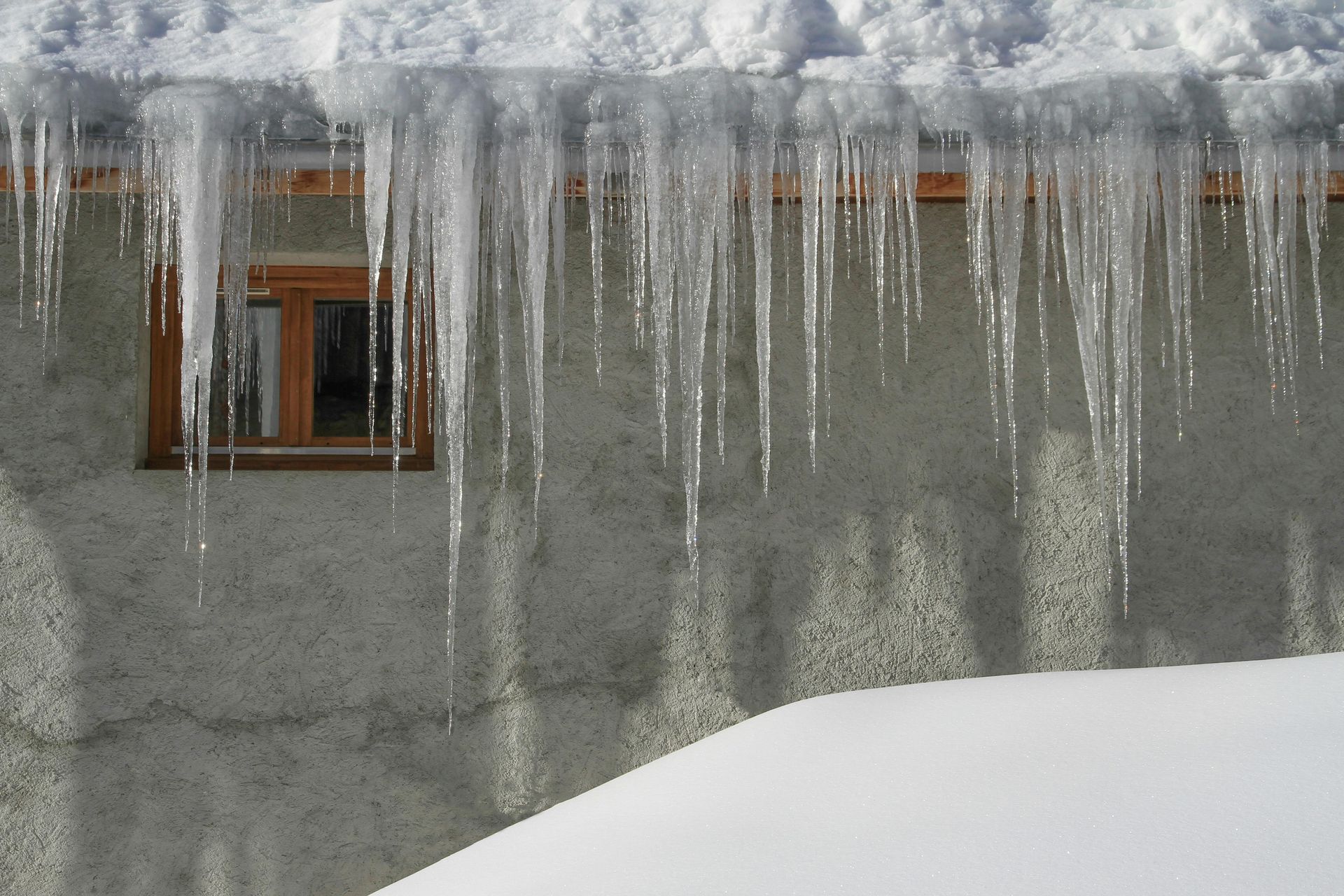
Freeze–thaw. Less snow sitting on the roof means less water working into joints. With the right underlayment and ventilation, steel systems are far more resistant to ice dams.
Local installs:
Ask us about recent steel projects in Goderich, Kincardine, Port Elgin/Southampton, and Owen Sound.
How Steel Roofing Resists High Wind
- Interlocking panels. Standing seam and advanced rib profiles lock together, creating a continuous, wind‑resistant skin.
- Concealed fasteners (standing seam). Hidden clips allow thermal movement while keeping penetrations out of the weather.
- Engineered clip/fastener layout. Spacing is tightened at eaves/rakes and roof edges where uplift is highest.
- Edge metal that matters. Starter, eave, and rake trims are mechanically fastened to resist peel‑back during gusts.
- Hip & ridge detailing.
Continuous ridge caps and storm‑rated sealants keep wind‑driven rain out.
Best‑fit profiles for wind:
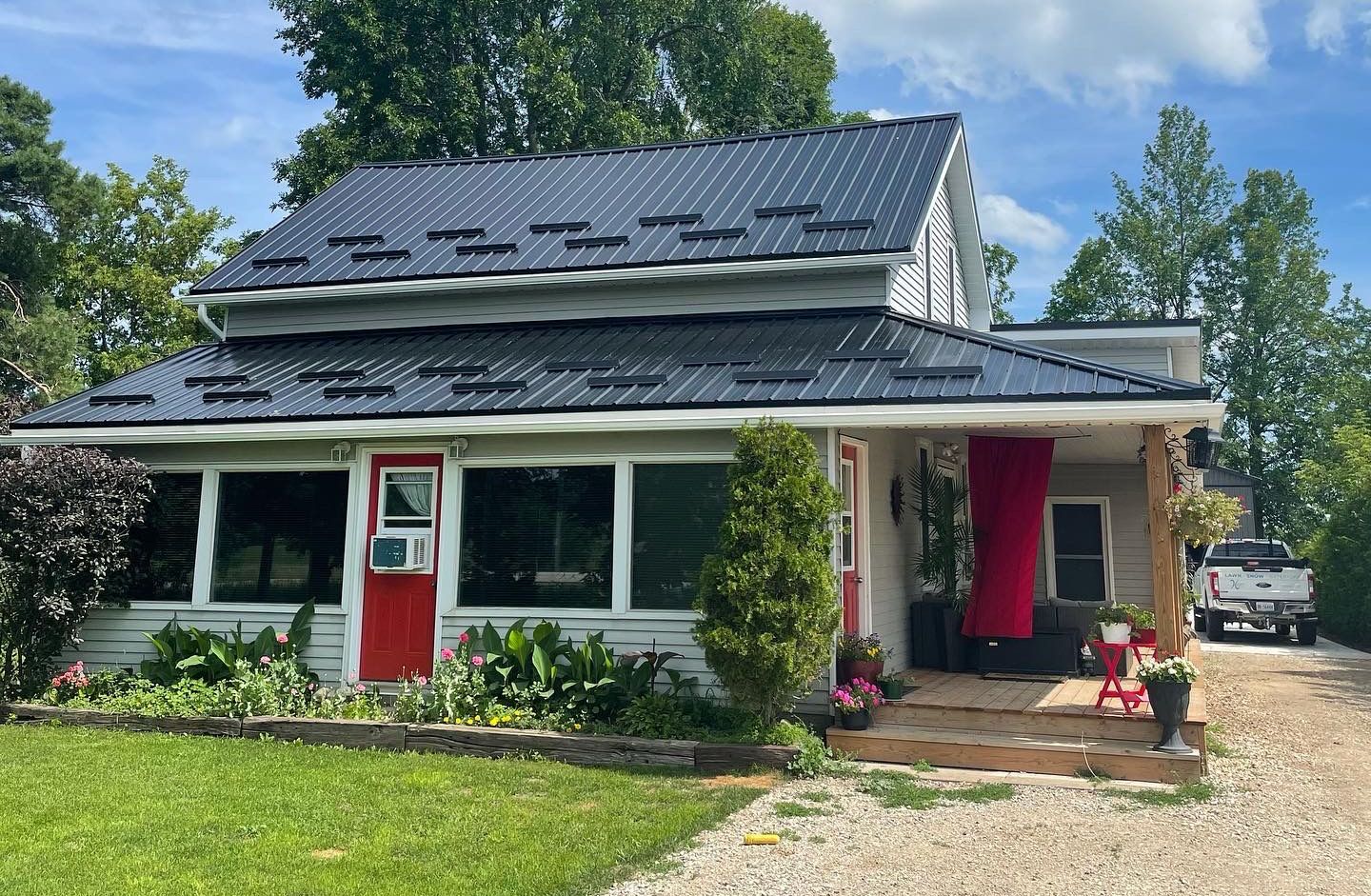
- SNAP‑LOCK Standing Seam: Excellent uplift performance and sleek look; ideal for primary residences.
- EASY Shake (steel shake): Textured, cottage‑friendly aesthetic with interlocking strength.
- G‑RIB:
Durable and cost‑effective for auxiliary buildings and some homes in sheltered sites.
Compare looks and assemblies on our
Steel Roofing Types page, or start at the
Metal Roofing page.
How Steel Roofing Manages Snow & Ice
- Fast shedding. The slick panel surface releases snow sooner, reducing structural loads.
- Controlled with snow guards. We position individual guards or fences to break up slides over entries, walkways, decks, and garage aprons.
- Ice‑dam prevention. High‑temperature ice‑and‑water shield at eaves/valleys + balanced attic ventilation moves warm, moist air out, so meltwater doesn’t back up.
- Valley & penetration protection. Open metal valleys, custom‑bent flashings, and sealed boots keep meltwater moving off the roof.
When we recommend snow guards:
- Roof planes that dump onto a front step, patio, heat pump, or lower roof
- Above garage doors and side doors
- On
long, uninterrupted slopes
The System Behind the Steel (What We Install)
- Roof deck & ventilation check. We assess sheathing, attic airflow (soffit + ridge), and insulation. Baffles added where needed.
- Underlayments. Synthetic underlayment across the field; ice‑and‑water protection at eaves, valleys, and around penetrations.
- Flashing package. Custom eave/rake/valley metal; closed‑cell closures and storm‑rated sealant.
- Panels & attachment. Standing seam uses concealed clips; ribbed and shake profiles use gasketed fasteners set to spec.
- Snow management plan. Guard layout tailored to your roof geometry and traffic patterns below.
- Cleanup & walkthrough.
Magnet sweep, gutter check, homeowner orientation.
Steel vs. Shingles in Wind & Snow: Quick Comparison
| Condition | Steel Roofing | Asphalt Shingles |
|---|---|---|
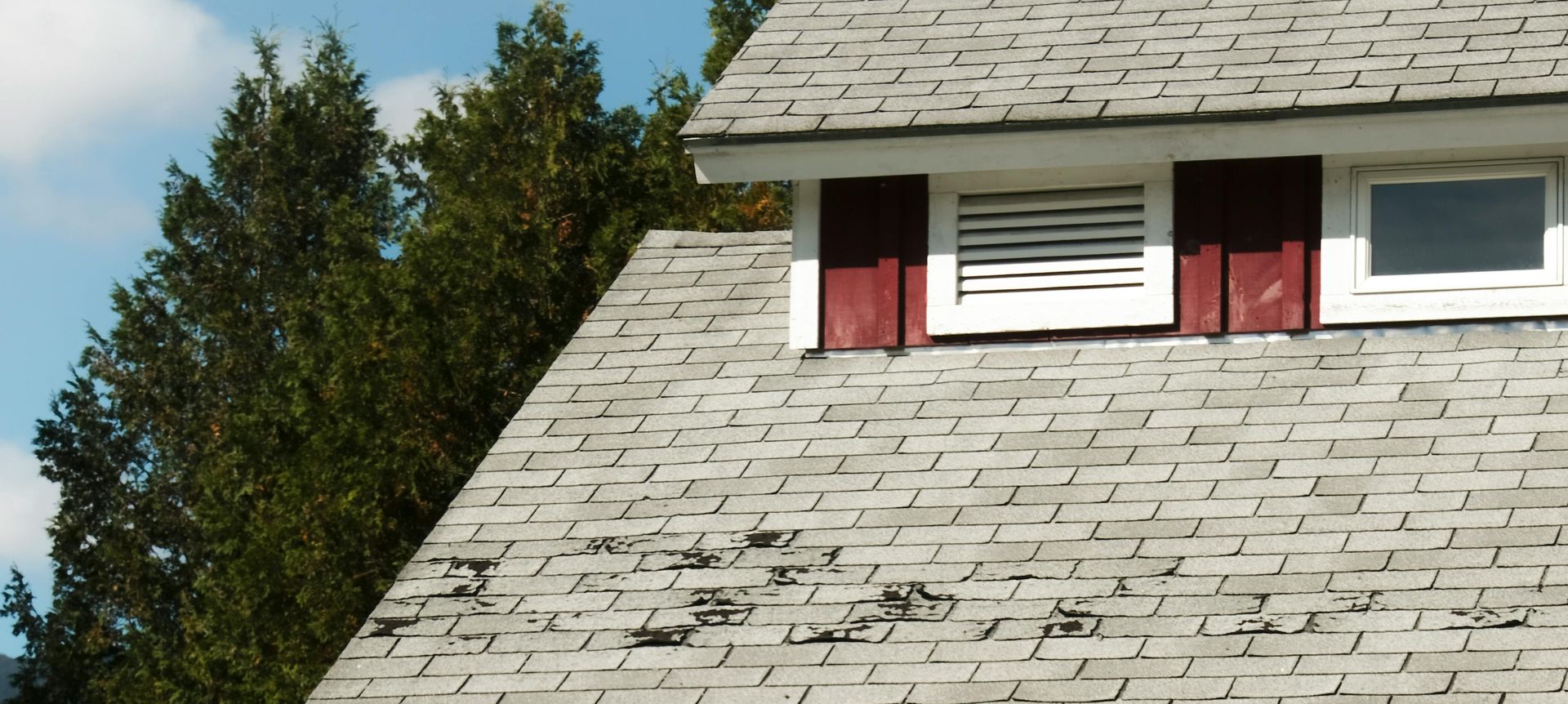
| Coastal wind gusts | Interlocking panels + concealed fasteners reduce uplift | Tabs/granules can loosen; vulnerable near edges |
| Heavy snow loads | Sheds snow; supports snow guards for controlled release | Snow/ice linger; more freeze–thaw stress |
| Ice dams | Better with proper underlayment + ventilation | Higher risk without ideal attic conditions |
| Maintenance | Low: seasonal checks of flashings/guards | Moderate: shingle repairs, granule loss |
FAQs
Do I need snow guards on every slope?
Not always. We add them where falling snow could be hazardous or where long slopes build momentum.
Will snow slides damage my landscaping or heat pump?
That’s exactly what guards prevent. We also add diverters where needed to protect equipment.
Can steel be installed over existing shingles?
Often, yes. After a deck inspection and with the right underlayment/strapping strategy. We’ll advise on the best approach for your home and local wind exposure.
Is a steel roof louder in winter storms?
Inside the home, properly installed steel over a solid deck with modern underlayments is comparable to shingles.
What about corrosion near the lake?
Quality substrates and coatings are designed for durability. Simple seasonal rinsing and an annual check keep things in top shape.
After a Storm: 5‑Minute Homeowner Check
- Look in the attic for any drips or staining around penetrations.
- Walk the perimeter: check for displaced snow guards or trim.
- Clear downspouts and ground‑level drains.
- Photograph anything unusual and
give us a call.
Ready to Upgrade Your Roof for Wind & Snow?
- Explore profiles on Steel Roofing Types
- Learn more in our
Metal Roofing page
Or
We’ll provide a straightforward quote for your home in Goderich, Kincardine, Saugeen Shores, Owen Sound, and surrounding communities.
Ready to Upgrade to a Steel Roof?
Enhance your home’s durability and curb appeal with a long-lasting metal roofing system from Hart Construction.
Give us a call at
519-441-3298 today to speak with our team or click below to request your free estimate.